

Improve Your Work Environment: How Physical Therapists Help with Ergonomics and Posture

Dr. Tara Jaeger • April 7, 2025

Understanding the Role of Physical Therapists in Ergonomics

Physical therapists (PTs) do much more than assist patients in clinics. They play a crucial role in ergonomics and posture management. Ergonomics is the science of designing workspaces, tools, and tasks to fit the person using them. The ultimate aim is to reduce strain and discomfort while enhancing comfort and efficiency.


In various fields such as manufacturing, healthcare, or retail, PTs evaluate tasks that include lifting, standing for long periods, or repetitive motions. They recommend modifications to minimize strain and injury risks. This often involves training in proper body mechanics, making workstation adjustments, or suggesting tools that alleviate physical stress. Additionally, PTs create specialized strength and flexibility programs based on job demands, enabling workers to remain pain-free and productive.

The Impact of Poor Posture

One of the most prevalent workplace issues leading to pain is poor posture, especially for those who work at desks, whether at home or in an office setting. Inadequate posture, repetitive movements, and poorly configured workstations can cause various aches and pains, as well as long-term injuries.


The silver lining? Physical therapists (PTs) can assist in preventing discomfort. They can help you create a workspace that optimizes support for your body.

The Problem: Poor Posture and Workplace Strain

Sitting for extended periods, slouching, and awkward reaching to access your keyboard or mouse can lead to several issues, including:


  • Neck and shoulder stiffness
  • Lower back pain
  • Wrist or forearm strain (like carpal tunnel syndrome)
  • Tension headaches

Simple Strategies to Enhance Your Comfort

If you spend hours at a desk, consider implementing these strategies to minimize discomfort:


Move Regularly

Prolonged sitting can obstruct circulation in your joints and muscles, create an imbalance in strength and flexibility, and lead to muscle strain. Taking frequent, short breaks can significantly reduce these risks.


  • Stand up and walk around for a minute, even if just for 30 seconds.
  • While seated, engage in simple movements:
  • Roll your shoulders backward
  • Turn your head side to side and nod up and down
  • Stretch your forearms and legs gently


Set Up Your Workspace to Minimize Strain

Configuring your work environment according to your body’s needs can greatly enhance your posture and comfort.


Here are guidelines to help you achieve an ergonomic setup:


  • Adjust your chair so that your hips and knees remain at 90-degree angles.
  • Ensure your armrests let you sit close to your desk.
  • Position your keyboard so your hands are slightly below elbow level.
  • Keep your monitor directly in front of you and at eye level.

When to Consult a Physical Therapist

If you are experiencing ongoing pain or wish to avert future issues, visiting a physical therapist can be beneficial. They will evaluate your posture, workstation, and movement patterns to devise a tailored plan that suits your individual needs.

Ready to Feel Better at Work?

Contact us today for an evaluation and begin the journey toward a pain-free work-life balance!

Additional Insights and Resources

Research References


Research shows the importance of physical therapy in the workplace:


  1. Prall J, Ross M. The management of work-related musculoskeletal injuries in an occupational health setting: the role of the physical therapist. J Exerc Rehabil. 2019 Apr 26;15(2):193-199. doi: 10.12965/jer.1836636.318. PMID: 31111000; PMCID: PMC6509454.
  2. Philip Fabrizio. Ergonomic Intervention in the Treatment of a Patient With Upper Extremity and Neck Pain. Physical Therapy, Volume 89, Issue 4, 1 April 2009, Pages 351–360, https://doi.org/10.2522/ptj.20080209.
  3. Ardalan Shariat et al. Effects of stretching exercise training and ergonomic modifications on musculoskeletal discomforts of office workers: a randomized controlled trial. Brazilian Journal of Physical Therapy, Volume 22, Issue 2, 2018, Pages 144-153, ISSN 1413-3555, https://doi.org/10.1016/j.bjpt.2017.09.003.

Recent Posts

Physical Therapy practice.
By Dr. Tara Jaeger December 2, 2025
Discover why personalized therapy is the cornerstone of effective healing. Learn how tailoring treatments to your unique needs speeds up recovery. Read more!
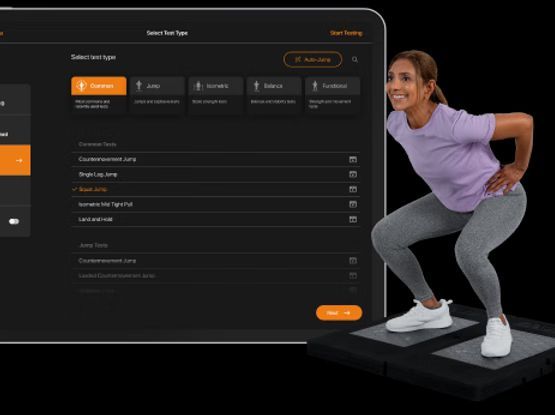
Athletic Performance app.
By Dr. Tara Jaeger November 13, 2025
Unlock your peak potential with VALD ForceDecks. See how Recharge Physical Therapy uses objective data to transform your training and recovery. Learn more here!
A foam roller.
By Dr. Tara Jaeger September 11, 2025
Feeling tight after a hard workout? Explore practical, proven methods to ease muscle tension and help your body recover faster. Start your recovery journey now!

A picture of kids playing soccer.
By Dr. Tara Jaeger August 7, 2025
Keep your student-athlete in the game! Our guide provides essential tips for preventing sports injuries as youth fall seasons begin. Read the full safety guide.

A woman doing neck stretches.
By Dr. Tara Jaeger July 17, 2025
Are you skipping the most vital part of your workout? Learn how to perform a proper warm-up to boost performance and protect your body. Read our expert tips!
Recharge PT Logo.
By Dr. Tara Jaeger July 8, 2025
Master summer movement with the Recharge 3R Method. Our blueprint helps active individuals move smarter and stay injury-free all season long. Start reading today!
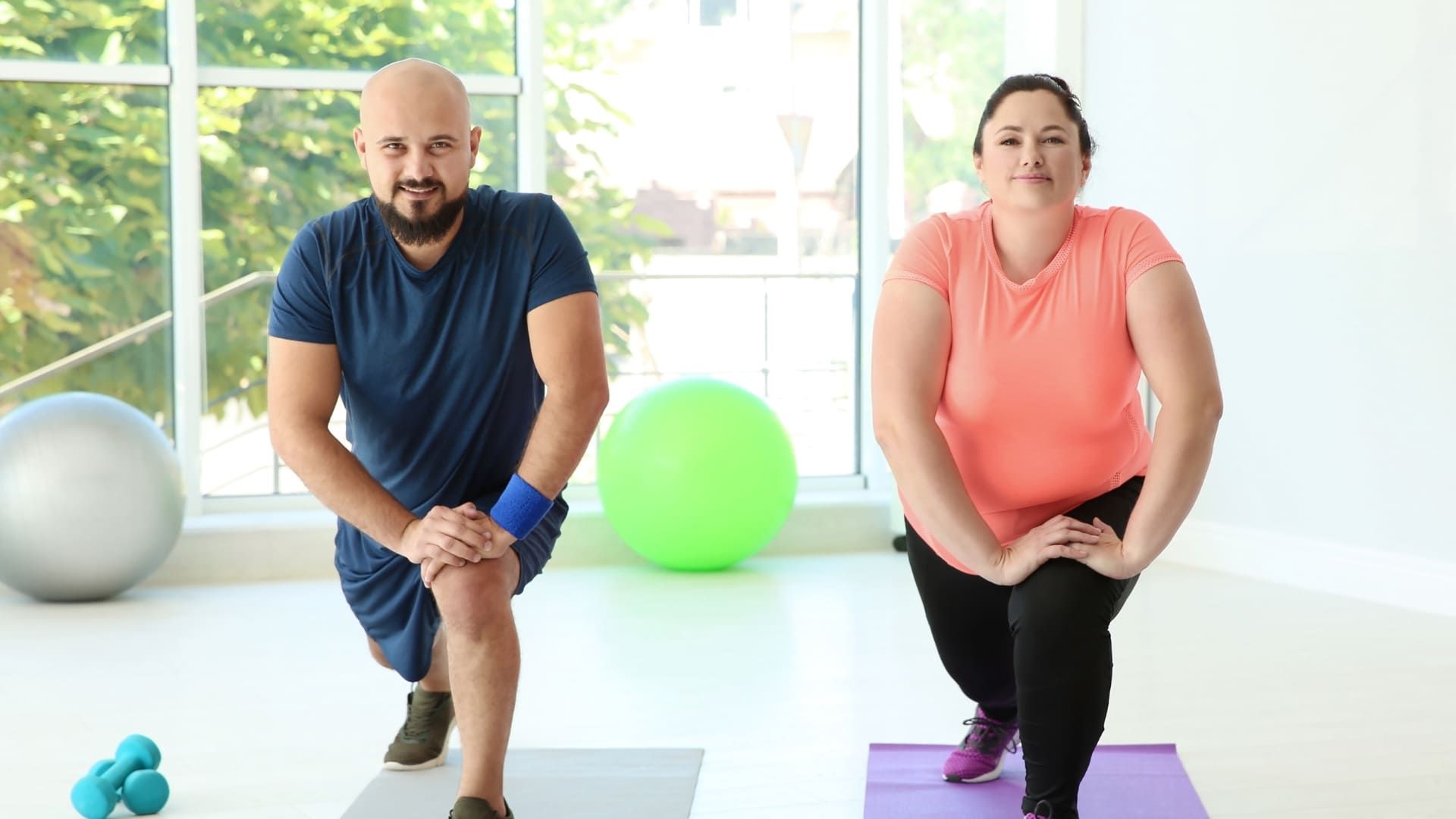
Two people working out.
By Dr. Tara Jaeger July 7, 2025
Ready to level up? Learn the expert "how and when" of safely progressing through your workout program to ensure consistent gains without injury. Click to read!

A group of people working out.
By Dr. Tara Jaeger January 10, 2025
Build exercise habits that last through 2025. Discover how to stay strong and healthy without fancy equipment or hours of time. Start your sustainable path now!
A woman helps her injured friend during a run.
By Dr. Tara Jaeger June 13, 2024
Your PT can’t help what they don’t know! Learn why open communication is vital for recovery and why you should never keep injury secrets. Read the full post here.