
Get objective data on power, balance, and asymmetries using VALD ForceDecks — trusted by elite athletes worldwide and now available at Recharge Physical Therapy in our Fargo - Moorhead locations.
What Is ForceDecks?
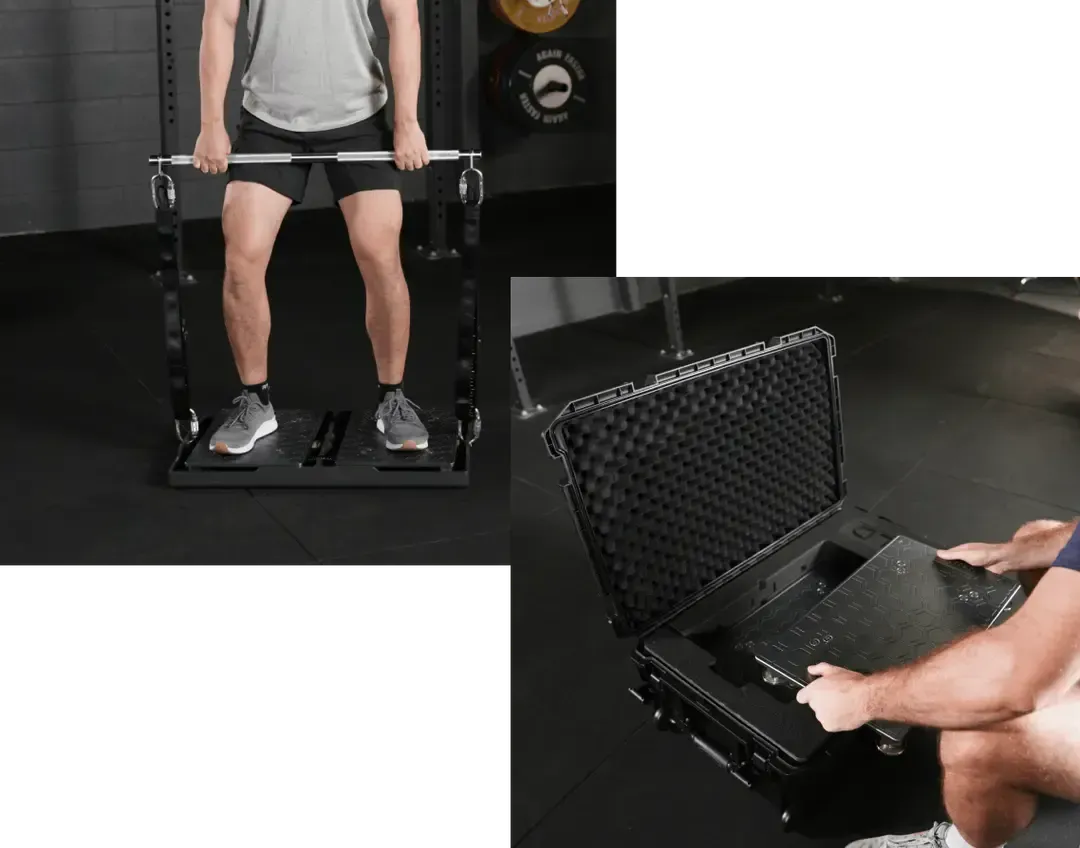
ForceDecks is a dual force plate system that measures how you produce force during jumps and balance tests. It identifies:
- Explosive power
- Left-to-right imbalances
- Balance and stability deficits
- Return-to-play readiness
Stop Guessing. Start Measuring.
- Many athletes train hard but don’t know their true performance baseline.
- Strength imbalances often go unnoticed.
- Small asymmetries can increase injury risk.
- Without objective testing, programming is just educated guessing.
Benefits of VALD ForceDecks
For Athletes
- Know your baseline.
- Improve speed, strength, and explosiveness.
- Reduce injury risk.
- Track progress every 6–8 weeks.
For Coaches & Teams
- Team-wide data snapshot
- Identify athletes who need targeted training
- Guide preseason, midseason, and postseason programming
- Objective return-to-play support
For Active Adults
- Improve performance safely
- Identify weak links
- Build confidence in training
Pricing
Individual Testing
$99 per session
Includes:
- Full ForceDeck assessment
- Results review
- Training recommendations
Team Testing Days
$25 per athlete (groups of 10+)
Includes:
- Streamlined team testing session.
- Coach summary report.
- Individual athlete metrics.

How It Works
Step 1
Quick Intake
Sport, goals, injury history.
Step 2
ForceDeck Testing
Jump and/or balance testing (fast and simple).
Step 3
Results Review
Clear explanation of what your data means.
Step 4
Action Plan
Targeted recommendations and optional retesting timeline.
VALD ForceDecks FAQs
Do I need to be injured to do ForceDecks testing?
No. Most people use ForceDecks for performance optimization and injury prevention, not because they’re hurt.
This testing helps identify strength imbalances, power deficits, and stability issues before they turn into injuries. It’s ideal for preseason screening, return-to-play monitoring, or simply understanding your performance baseline.
How long does a session take?
An individual session typically takes 30–45 minutes, including:
- Quick intake discussion.
- Testing.
- Clear explanation of your results.
- Actionable recommendations.
What should I wear?
Wear normal athletic clothing and training shoes.
If you have sport-specific shoes (cleats, court shoes, etc.), feel free to bring them. The testing involves jumping and balance tasks, so comfortable athletic attire works best.
How often should I retest?
Most athletes benefit from retesting every 6–8 weeks, especially during the off-season or preseason training phases.
Teams often test:
- Preseason – establish baseline
- Midseason – monitor fatigue or emerging asymmetries
- Postseason – guide off-season programming
Can you come to our facility for team testing?
Yes. We can host your team at Recharge Physical Therapy or bring the ForceDecks directly to your facility, provided there is a stable, flat surface available.
We’ll coordinate setup, testing flow, and provide a summary report for coaches.
What do the results actually tell me?
Your results show:
- How much force you produce
- How evenly you distribute force between limbs
- Where asymmetries exist
- How your performance compares to norms
Most importantly, we translate the data into clear training priorities — so you know exactly what to work on next.
Is this only for elite athletes?
Not at all.
ForceDecks is used by professional teams — but it’s just as valuable for:
- High school athletes
- College athletes
- Club teams
- Active adults
- “Weekend warriors”
If you want objective data to improve performance and reduce injury risk, it’s for you.
What happens after the test?
You’ll leave with:
- A clear understanding of your strengths and weaknesses
- Specific recommendations
The option to integrate results into physical therapy or performance training
Many athletes choose to schedule a follow-up retest to track measurable improvement.